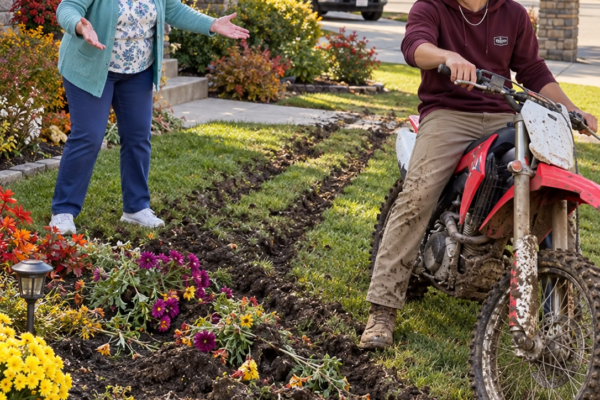
“I don’t want to take care of a sick old woman,” my DIL shouted; she kicked me out of the house after my arthritis diagnosis; she didn’t know I was hiding a fortune of $28 million; the next day, I bought the entire condo complex and… I tripled the rent on that greedy.
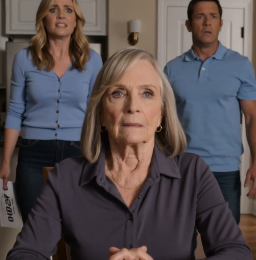
“I don’t want to take care of a sick old woman,” my daughter-in-law shouted. She kicked me out of the house after my arthritis diagnosis. She didn’t know I was hiding a fortune of $28 million.
The next day, I bought the entire condo complex and tripled her rent. I’m glad to have you here. Follow my story until the end and comment the city you’re watching from so I can see how far my story has reached. I stared at Dr. Martinez’s lips moving, but the words seemed to bounce off my ears like raindrops on glass.
Rheumatoid arthritis, advanced stage, progressive joint damage. The medical terms swirled around me as I sat in that sterile office chair, my hands already aching as if my body had been waiting for permission to hurt. Mrs. Patterson, do you have family support at home? Dr. Martinez asked gently, her brown eyes filled with the kind of practiced compassion that comes from delivering bad news daily. Yes, I managed to whisper.
I live with my son and daughter-in-law. What I didn’t tell her was that I’d been living with them for 3 years now, ever since Harold passed. What I didn’t mention was how Meadow’s smile had grown thinner each month, or how Blaine avoided eye contact when his wife made her little comments about personal space and independence.
The drive home felt endless. My Honda Civic had seen better days, but it was paid for, just like everything else I owned. I’d learned long ago to live modestly, to save every penny. Harold and I had been careful with money our whole marriage. What my family didn’t know was just how careful we’d been.
I pulled into the driveway of the suburban house I’d helped Blaine buy, though his name was the only one on the deed. Meadow’s car wasn’t there yet. She worked part-time at a boutique, though worked was generous considering how often she called in sick or left early for nail appointments.
Blaine was in the kitchen when I walked in, still wearing his pharmacy technician uniform. At 32, he looked older than his years with Harold’s thin brown hair and my pale blue eyes. He was stirring something that smelled like canned soup. Hey, Mom.
How’d it go at the doctor? I set my purse down on the counter, my fingers already stiff from gripping the steering wheel. Not great, honey. We need to talk when Meadow gets home.
Something flickered across his face. Fear maybe, or annoyance. Is it serious? We’ll discuss it together, I said. Though my chest was already tightening with dread. Meadow arrived home at 6:30, her blonde hair perfectly styled despite supposedly working all day. She was 28, but carried herself like someone who’d never been told no.
Her designer purse clinkedked with jewelry as she dropped it on the counter, right next to my modest handbag. “God, what a day,” she announced to no one in particular.
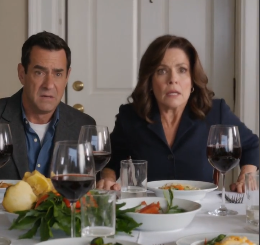
Karen was being such a about the schedule again. “I swear that woman lives to make my life difficult.” Blaine served dinner, his soup with store-bought bread. We ate in relative silence until I finally cleared my throat. I need to tell you both something about my doctor visit today. Meadow’s fork paused halfway to her mouth. Blaine looked up from his bowl. I’ve been diagnosed with rheumatoid arthritis, advanced stage. The doctor says it’s going to progress and I’m going to need help with daily activities soon. The silence stretched between us like a rubber band about to snap. What kind of help? Blaine asked quietly. Basic things. Opening jars, carrying laundry, getting groceries. On bad days, I might need help with buttons or zippers. I tried to keep my voice steady. Dr. Martinez mentioned physical therapy, medication, maybe some home modifications. Home modifications. Meadow’s voice cut through the air like a knife.
What does that mean exactly? Grab bars in the shower. Maybe a ramp for the front steps eventually. Nothing major right now, but absolutely not. Meadow dropped her spoon with a clatter. We are not turning this house into some kind of medical facility. Meadow? Blaine started, but she held up her hand. No, Blaine, I’m sorry, but no, I didn’t sign up for this. My heart began to race. Sign up for what? She turned to face me fully, her green eyes cold as winter morning. I didn’t sign up to be a caregiver. I didn’t sign up to have my home turned into a nursing home. I sure as hell didn’t sign up to watch you deteriorate in my living space. Meadow, please. Blaine said, his voice barely above a whisper, but she was just getting started. Her voice rose with each word. Do you know what my life is going to look like? Coming home everyday to help you in and out of the shower, cutting up your food, watching you shuffle around with a walker.
I’m 28 years old, Opel. 28. I have my own life to live. The words hit me like physical blows. I looked at Blaine, waiting for him to defend me, to remind his wife that I was his mother, that I’d raised him alone after Harold died when he was 15. Instead, he stared at his soup. I won’t be a burden, I managed. I can look into assisted living, or you’re damn right you will, Meadow snapped. Because I am not going to spend the next however many years of my life taking care of someone else’s problems. She’s not someone else, Blaine finally spoke up, but his voice lacked conviction. She’s my mother. Meadow’s laugh was harsh and bitter and she’s been living here for 3 years already. 3 years, Blaine. When does it end? When does our life actually begin? I felt something die inside my chest. Not my heart. That was still beating, still pumping blood through my increasingly painful joints.
Something deeper, something that had believed despite everything that family meant something. I see, I said quietly. Do you? Meadow leaned forward, her perfectly manicured nails drumming against the table. Because I don’t think you do. I think you see a nice little setup where your son takes care of you forever while I play nurse and maid and pretend to be happy about it. That’s not fair, I whispered. Fair? Meadow’s voice reached a pitch that made me wse. What’s fair is me being able to live in my own house without worrying about whether you’ve fallen in the shower or can’t open a pickle jar. What’s fair is me not having to rearrange my entire life around your medical appointments and physical therapy sessions. She stood up abruptly, her chair scraping against the floor. I don’t want to take care of a sick old woman. There, I said it. I don’t want to watch you get worse.
I don’t want to smell medicine and hear complaining and deal with whatever this is going to become. The room fell silent except for the hum of the refrigerator. I looked at my son. This man I’d raised. This boy I’d worked two jobs to put through school when his father died. Blaine. He wouldn’t meet my eyes. Maybe Meadow’s right. Mom, maybe it would be better if you if you had your own place. Somewhere with people trained to help with this kind of thing. And there it was. The moment I realized I was truly alone. I understand, I said, standing up on legs that suddenly felt ancient. I’ll start looking for somewhere to go. Meadow’s expression softened slightly, as if she hadn’t expected me to give in so easily. It’s not that we don’t love you, Opel. It’s just this isn’t fair to any of us. I nodded and walked toward my room, each step echoing in the silence behind me. As I reached the hallway, I heard Meadow’s voice drop to a whisper.
Thank God. I was worried we’d have to fight about this for months. Now we can finally turn that room into the walk-in closet I’ve been wanting. The words followed me down the hallway like poison in my veins. I closed my bedroom door and sat on the edge of the bed Harold and I had shared for 37 years. The bed I’d moved here when I thought I was coming to live with family. Instead, I’d been living with strangers who shared my last name, and now they wanted me gone. What they didn’t know, what nobody knew, was that I had options they couldn’t imagine. But as I sat there in the growing darkness, listening to them discuss paint colors for their future closet. I decided to let them believe I was exactly what they thought I was, a helpless old woman with nowhere else to go. The apartment on Maple Street was a far cry from the suburban house I’d called home for 3 years.
One bedroom, one bathroom, a kitchen barely big enough for two people to pass each other. The landlord, Mr. Chen, had looked at me with the kind of pity reserved for elderly women clutching worn purses and asking about the cheapest rent in town. “700 a month,” he’d said gently. He’d included laundry in the basement. I’d nodded and handed him first month’s rent in cash, watching his eyebrows raise slightly. Most people my age wrote checks or used cards. But I’d learned long ago that cash kept things simple, less traceable, less complicated. What Mr. Chen didn’t know was that the $700 came from a checking account that held exactly $12,000. Money I’d carefully transferred to maintain the appearance of a woman living on social security and a small pension. My real accounts, the ones that held Harold’s life insurance payout and 40 years of careful investments, remained untouched and invisible. Moving day came on a Tuesday.
I’d hired two college kids with a truck for $50 cash. They loaded my modest furniture, the pieces Meadow had deemed acceptable to take, and my personal belongings into boxes that looked pathetic, stacked in the truck bed. Blaine helped, though he avoided eye contact and spoke only when necessary. You sure you have everything, Mom? I’m sure. I climbed into my Honda while he stood in the driveway, hands shoved deep in his pockets. Through the living room window, I could see Meadow watching from behind the curtains, probably counting the minutes until she could start measuring for her new closet. The first week in the apartment was the hardest. Not because of the arthritis, though my joints screamed every morning when I tried to get out of bed. The hardness came from the silence. No footsteps above my head, no television voices drifting from other rooms, just me and the occasional sound of Mrs. Rodriguez next door talking to her cats.
On Friday, I discovered just how thoroughly Meadow had rewritten our family story. I was coming back from the grocery store, my cartwheels squeaking as I maneuvered up the sidewalk, when I ran into Janet Morrison. Janet lived three houses down from Blaine and Meadow, and we chatted politely at neighborhood gatherings when I still lived there. “Op”?” Janet’s voice carried across the parking lot. “I didn’t expect to see you here.” I paused, my hands gripping the cart handle. “Hello, Janet,” she hurried over, her face flushed with the kind of excitement that comes from having gossip to share. “I heard about what happened,” Meadow told the whole neighborhood at book club last week. “My stomach dropped. What did she say?” Janet’s expression shifted to practiced sympathy about how difficult things became after your diagnosis. She said you were having episodes, getting confused, becoming aggressive when she tried to help.
She said it broke her heart, but she had to think about her safety and blaes. The words hit me like ice water episodes. She said you threw a plate at her during dinner one night and that you kept forgetting to turn off the stove. She was worried you might burn the house down. Janet leaned closer, lowering her voice conspiratorally. She said it was the hardest decision they ever made, but they just couldn’t handle the violent outbursts anymore. I stood there in the grocery store parking lot, feeling the blood drain from my face. Violent outbursts, aggressive behavior, throwing plates. Every word was a lie, but Janet’s expression told me she believed every syllable. I see. I managed. She also mentioned that you refused to get proper help. Said you wouldn’t consider assisted living or home health care, that you insisted they take care of you personally, Janet shook her head sadly.
It’s so hard when elderly parents become demanding like that. Demanding? The word twisted in my chest like a knife. Well, I said carefully. I suppose everyone has their version of events. Janet’s smile was full of pity. Oh, Opal, you don’t have to pretend with me. Meadow said the medication sometimes makes you forget things or mix up what really happened. She said that’s part of the disease. I nodded and pushed my cart toward my Honda, my hands shaking now for reasons that had nothing to do with arthritis. Behind me, I heard Janet call out, “You take care of yourself, dear, and don’t be too hard on Blaine and Meadow. They did the best they could.” That evening, I sat in my small living room with a cup of tea and my laptop. I wasn’t sure what compelled me to check Meadows social media accounts, but curiosity won over common sense.
Her Instagram feed was a carefully curated collection of home improvement photos and inspirational quotes about difficult decisions and setting healthy boundaries. 3 days ago, she’d posted a photo of my old bedroom, now completely emptied and painted a soft pink. The caption read, “Finally getting to create the walk-in closet of my dreams. Sometimes life forces you to make hard choices, but you have to prioritize your own mental health and well-being.” The comments were full of heart emojis and supportive messages from friends who had no idea what they were really celebrating. I scrolled further back and found a post from the week I’d moved out. It was a stock photo of an elderly woman’s hands overlaid with text that read, “When loving someone means letting them go.” Not all families are meant to live together, and that’s okay. Sometimes the most loving thing you can do is admit when a situation isn’t working.
The comments on that post made my chest tight. You’re so brave for sharing this. It takes real strength to make decisions like that. You can’t set yourself on fire to keep someone else warm. Each comment was a small betrayal written by people who’d been told I was the problem, the difficult one, the burden that had to be removed. I closed the laptop and walked to my bedroom window. From there, I could see the lights of houses where families were probably having dinner together, watching television, sharing the small moments that make up a life. I wondered how many of those families had heard Meadows version of events. How many neighborhood gatherings would I be quietly excluded from now? The next morning brought a knock at my door. I peered through the peepphole and saw a young woman in scrubs holding a clipboard. Mrs. Patterson, I’m Sarah from Helping Hands Home Care. Your daughter-in-law called and arranged for us to check on you.
I opened the door slowly. I didn’t request any services. Sarah’s smile was professional but kind. Yes, ma’am. We understand that sometimes families arrange care when the client isn’t initially receptive to the idea. Mrs. Patterson, the younger Mrs. Patterson, said you were having some difficulties accepting help and that the family was concerned about your safety living alone. More lies, more carefully constructed narratives that painted me as confused, stubborn, unable to make rational decisions about my own care. I’m managing fine on my own, I said. I’m sure you are,” Sarah replied in the tone healthare workers use with difficult patients. “But maybe I could just come in for a few minutes, just to chat and see how you’re settling in.” I let her in because refusing would only reinforce whatever story Meadow had told. Sarah asked questions about my medications, my daily routine, whether I was eating properly.
She was gentle and respectful, but I could see her making mental notes about my sparse apartment, my careful movements, the way I favored my left hand when reaching for things. After she left, I sat at my small kitchen table, and realized the full scope of what Meadow had done. She hadn’t just removed me from her home. She’d systematically destroyed my reputation, my relationships, and my agency. To everyone who mattered, I was now the difficult elderly mother-in-law who’d become too much to handle. The woman who threw plates and forgot to turn off stoves and refused reasonable help. But as I sat there in my quiet apartment, surrounded by the modest possessions of a woman living on a fixed income, I felt something I hadn’t experienced in years. Relief.
Because if they all believed I was just a confused old woman with limited resources and failing health, then they wouldn’t be watching when I made my next moves, they wouldn’t question the decisions of someone they’d already written off as mentally deteriorating. Meadow thought she’d won. She thought she’d successfully disposed of a problem and convinced everyone it was the right thing to do. What she didn’t realize was that she’d just made the biggest mistake of her privileged, carefully curated life. Two weeks into my new life on Maple Street, I made my first real move. Not the kind of move Meadow would expect from a confused old woman living on social security, but the kind that required the resources I’d been hiding for three decades. I called Marcus Steinberg at 9:00 a.m. Sharp on a Thursday morning.
Marcus had been Harold’s financial adviser since 1987, and more importantly, he was one of the few people who knew exactly what my late husband had left behind. Opal. His voice was warm but surprised. I haven’t heard from you in months. How are you settling in with your family? Actually, Marcus, there’s been a change in my living situation. I need to schedule a meeting. Of course. Is everything all right? I looked around my sparse apartment, thinking of Meadows Instagram photos and Janet Morrison’s pitying smile. Everything’s about to be. Marcus’ office hadn’t changed in the 15 years since Harold’s death. Same mahogany desk, same leather chairs, same view of downtown’s financial district. What had changed was the number on my portfolio statement. 28,400,000, Marcus said, sliding the papers across his desk. The tech stocks Harold bought in the 80s have performed exceptionally well.
The real estate investments in Austin and Denver have tripled in value, and the life insurance money has been compounding steadily. I stared at the numbers, remembering Harold’s voice from all those years ago. Opal, honey, we’re going to live modestly and save everything we can. Let people think we’re just getting by. The money will work for us while we’re not looking. I need you to help me with something, Marcus. Something that needs to be handled very carefully. His eyebrows rose. What kind of help? I want to buy a property. Specifically, I want to buy the Willowbrook condominium complex on Cedar Avenue. Marcus leaned back in his chair. That’s a significant investment. May I ask why that particular property? I told him everything about the diagnosis, about Meadows explosion, about being painted as a mentally declining burden who threw plates and forgot to turn off stoves.
I told him about the lies spread through the neighborhood and the home healthare workers sent to check on my competency. When I finished, Marcus was quiet for a long moment. And your son lives in this complex unit 4B. They pay 2,800 a month in rent. Marcus made a note on his pad. What exactly are you planning, Opel? I’m planning to teach my daughter-in-law about consequences. The next 3 weeks were a master class in discreet investigation. I hired a private investigator named Rebecca Torres. Not for anything dramatic, just to confirm what I already suspected about Blaine and Meadow’s financial situation. Rebecca’s report arrived on a Tuesday. I read it over coffee in my small kitchen. My arthritis making the pages difficult to hold, but my mind sharp as ever. Blaine earned 38,000 a year at the pharmacy. Meadow’s boutique job brought in maybe 12,000 annually when she bothered to show up.
They had 17,000 in credit card debt, mostly from Meadows shopping habits. Their savings account held exactly $247. More interesting were Meadows spending patterns, $500 at Nordstrom last month, 300 at Sephora, a weekend trip to Napa Valley that cost nearly $2,000, all charged to Blaine’s already maxed out credit card. The woman who’d called me a burden and claimed she couldn’t afford to modify her home for my disability was spending more on makeup in a month than I spent on groceries in three. But the most revealing detail was buried in Rebecca’s financial analysis. Blaine and Meadow had been laid on their rent four times in the past year. Each time they’d managed to scrape together the money at the last minute, but the pattern was clear. They were living paycheck to paycheck, one emergency away from real trouble. That evening, I called the property management company for Willowbrook Condominiums. The woman who answered sounded tired.
Pinnacle Properties, this is Linda. Hello, Linda. I’m calling about the Willowbrook complex on Cedar Avenue. I understand the building might be for sale. Oh, yes, ma’am. The owners have been trying to sell for about 8 months now. Are you interested in purchasing a unit? Actually, I’m interested in purchasing the entire building. The pause on Linda’s end stretched long enough that I wondered if the call had dropped. The entire building? Yes, all 48 units. I’d like to schedule a viewing and discuss the asking price. May I ask who I’m speaking with? Opel Patterson. I’ll be working through my financial adviser, Marcus Steinberg, at Steinberg and Associates. Three days later, Marcus and I walk through the Willowbrook complex with Linda and the current owner, a tired looking man named Robert Chen, who’d inherited the property from his father and clearly wanted out of the landlord business.
Maintenance costs keep going up, Robert explained as we toured the common areas. Tenants complain constantly. Half of them are behind on rent at any given time. I’ve been trying to sell for months, but most investors want newer properties. The building was solid, but dated. Built in the 1980s, it had good bones, but needed cosmetic updates. The units were spacious. The location was decent, and the rental income was steady, if not spectacular. What are you asking? I inquired, though Marcus had already done his research. 4.2 million for the whole complex. That includes all current leases and rental agreements. Marcus and I exchanged glances. The building was worth more than Robert was asking, but his desperation was working in our favor. I’ll need to see all the current lease agreements, I said, particularly any units where tenants have been problematic with payments.
That evening, I sat in my apartment reviewing every lease in the building. Most were standard one-year agreements with rent ranging from 2500 to 3,000 depending on the unit size and location. Unit 4B, Blaine and Meadows apartment, had a lease that ran through the end of the year. Their rent was 2,800 per month, and according to Robert’s records, they’d been late four times, always managing to pay within the grace period to avoid eviction. I found something else interesting in their file. A noise complaint from the unit below them filed just 2 months ago. Mrs. Elena Vasquez had complained about loud arguments, slamming doors, and what sounded like things being thrown against the walls, things being thrown. I wondered if Meadows version of events about my supposed plate throwing incident had been projection all along. The purchase moved quickly once I committed.
Robert was so eager to sell that he accepted my offer of 3.8 million, paid in cash. The closing was scheduled for the following month with ownership transferring on the 1st of December. During those weeks of waiting, I established my cover story. To anyone who asked, I was Opel Patterson, a widow living on social security who’d moved to Maple Street after my family could no longer care for me. I shopped at discount groceries, clipped coupons, and drove my aging Honda to free community events. But every few days, I drive across town to meet with contractors and property managers, planning the improvements that would justify significant rent increases, new paint, updated fixtures, modernized appliances, all reasonable upgrades that would allow me to raise rents to market value. Market value for units like 4B was closer to 4,000 per month. I also spent time observing. Meadow’s schedule was predictable.
Work three days a week, yoga classes on Tuesday and Thursday, lunch dates with friends who seemed to exist mainly to admire her Instagram posts. She was always perfectly dressed, always carrying shopping bags, always projecting the image of someone whose biggest worry was choosing between the salmon and the chicken at brunch. Blaine looked tired. I watched him from across parking lots and coffee shops, noting the way his shoulders slumped, the way he checked his phone anxiously, the way he seemed to age every time Meadow spoke to him sharply in public. Three times I saw them argue in their car after emerging from stores where Meadow had clearly been shopping. Through my small binoculars, a purchase I justified as bird watching, I could see Blaine gesturing at shopping bags while Meadow rolled her eyes and checked her makeup in the visor mirror. They were drowning in debt and pretending everything was fine.
Meanwhile, Meadow continued to tell anyone who’d listen about how difficult I’d become before they were forced to ask me to leave at book club. According to Janet Morrison, who seemed determined to keep me updated on neighborhood gossip, Meadow had shared that I’d been calling them at all hours. Confused and demanding, she’d shown the other women photos of the beautiful closet sheet she’d created in my old room, explaining how freeing it felt to finally have space for herself after years of walking on eggshells around me. Each lie added fuel to the fire building in my chest. Not rage exactly, but something colder, something more calculated. On November 20th, Marcus called with the news I’ve been waiting for. Closing is confirmed for December 1st. The building will be yours, Opel. What’s your first move going to be?
I looked out my apartment window toward the direction of Willowbrook Condominiums, where my son and his wife were probably having dinner, completely unaware that their lives were about to change dramatically. I’m going to teach them the difference between can’t and won’t. I said they said they couldn’t afford to help me. Let’s see what they actually can’t afford. The closing took place on a gray December morning in a conference room that smelled like stale coffee and legal documents. I sat at the long mahogany table wearing my most modest dress, the navy blue one I’d bought at Goodwill, specifically for occasions when I needed to look like a woman counting every penny. Robert Chen signed papers with obvious relief, probably already mentally spending the three $8 million I was about to hand him.
Marcus sat beside me, occasionally sliding documents my way for signature, his expression professionally neutral, despite knowing exactly what I was planning. Congratulations, Mrs. Patterson. The title company representative said as she handed me the keys to Willowbrook condominiums. You’re now the owner of 48 rental units. I clutched the keys in my arthritic hands and smiled. Thank you. I’m looking forward to being a hands-on landlord. What she didn’t know was that I’d already spent the past month preparing for this moment. I’d hired Clearwater Property Management, a firm known for strict rent collection and aggressive pursuit of market rate pricing. I’d contracted with Morrison Construction to begin essential updates throughout the building, and I’d scheduled individual meetings with every tenant to discuss the upcoming changes. Every tenant except two.
That afternoon, I drove to Willowbrook for my first official walkthrough as owner. The building looked different now that it was mine. Not better or worse, just different. I had power here now. I could make decisions that would affect 48 households, including the one in unit 4B. James Morrison from the construction company met me in the lobby. He was a tall man with graying hair who’d been in the renovation business for 20 years. Mrs. Patterson, I’ve reviewed the building thoroughly. The structure is sound, but the cosmetic updates you’re requesting will run about 200,000 total. That’s fine. I want new paint throughout, updated fixtures in all common areas, modern appliances in every unit, and new flooring in the hallways. Those are significant improvements. They’ll definitely justify higher rents. I nodded. That’s the idea. How long before you can start after the holidays?
We’ll begin the first week of January and should be finished by March. Perfect. And James, I want you to prioritize certain units for the appliance upgrades. I handed him a list. Unit 4B was conspicuously absent. That evening, I sat in my small apartment and composed letters to my tenants. Each one was carefully crafted to sound reasonable, even considerate. Dear residents, I am pleased to introduce myself as the new owner of Willowbrook Condominiums. My name is Opel Patterson, and I am committed to making significant improvements to your building and your living experience. Beginning in January, we will be undertaking comprehensive renovations, including fresh paint, updated fixtures, modern appliances, and improved common areas. These improvements are designed to enhance the value and comfort of your home. Due to these substantial investments in the property, rent adjustments will be necessary to reflect current market values.
Your new rent amount and effective date will be communicated to you individually by Clearwater Property Management within the next 2 weeks. I look forward to being your landlord and creating a better living environment for all residents. Sincerely, Opel Patterson, owner, Willowbrook Condominiums. I printed 48 copies of the letter, then set aside two of them. Blaine and Meadow would receive their notice, but theirs would be different. Theirs would be personal. The next week passed in a blur of contractor meetings and property management discussions. Clearwater had done their market analysis and confirmed what I already knew. I could easily charge 4,000 per month for units like 4B and still be competitive with similar properties in the area. Most of my tenants took the news reasonably well. A few complaints, some requests for payment plans, but generally people understood that new ownership meant changes.
The building had been neglected under Robert Chen’s management, and everyone knew it. On December 15th, I put on my warmest coat and drove to Willowbrook to personally deliver two special letters. I parked in the visitor spot and walked slowly to the mailboxes in the lobby. My arthritis, making each step deliberate and careful. Unit 4B’s mailbox was slightly dented, probably from someone slamming it in frustration. I slipped the envelope through the slot and felt a satisfaction I hadn’t experienced in months. The letter was identical to the others in most ways, but with one crucial addition. Due to your unit’s history of late payments and noise complaints, your rent will be adjusted from $2,800 to $4,200 per month, effective February 1st. This represents current market value for a two-bedroom unit of your size and location.
If this new rate presents financial difficulties, I would be happy to discuss your options, including lease termination assistance. I also included a copy of Mrs. Vasquez’s noise complaint from 2 months earlier along with Robert Chen’s documentation of their late payments. That night, I made myself a cup of tea and sat in my recliner waiting. I didn’t have to wait long. My phone rang at 8:47 p.m. I let it go to voicemail, then listened to Blaine’s frantic message. Mom, I need to talk to you. There’s been some kind of mistake with our rent. Please call me back. The second call came at 9:15 p.m. This one I answered. Hello, Blaine. Mom, thank God. Listen, we got this crazy letter today about our rent going up to $4,200. That’s got to be wrong, right? Some kind of clerical error. I held the phone carefully, my fingers aching, but my voice steady. What letter is that, honey? From our new landlord. Some woman named Opel Patterson.
Same last name as us. Isn’t that weird? Anyway, she’s raising our rent by almost $1,500. We can’t afford that, Mom. I don’t know what we’re going to do. The irony was so perfect I almost laughed. That does sound difficult. Mom, I was wondering. I know things ended badly when you moved out, but do you think you could help us? Maybe loan us some money until I can find a better job. I know Meadow said some things she shouldn’t have, but she was just stressed about your diagnosis and everything. Stressed about my diagnosis. As if my arthritis had been an inconvenience to her rather than a devastating blow to my independence and future. I don’t have any money to loan, Blaine. You know, I’m living on social security, but maybe you could co-sign a loan or something. Help us prove we can afford the new rent. You’re our only family, Mom. I don’t know who else to ask. Our only family.
The same family that had thrown me out for needing help opening pickle jars. I’m sorry, honey, but I can’t help with that. I can barely make my own rent. A pause, then Meadow’s voice in the background, sharp and demanding. What did she say? Is she going to help us or not? She says she can’t help, Blaine whispered. But I could still hear him. Can’t or won’t. Meadow’s voice was getting louder. Because there’s a big difference, Blaine. She’s your mother. She owes you something after all the years we took care of her. Took care of me. The revisionist history was breathtaking. Blaine, I said quietly. I need to go, but I hope things work out for you both. Mom, wait. I hung up and turned off my phone. The third call came the next morning, but this time it was Meadow who left the voicemail. Her voice was strained, higher pitched than usual. Opal, this is Meadow. I think we need to talk.
I know we had our differences, but this rent situation is really serious. Maybe we could all sit down and work something out like adults. I’m sure if we explain the situation to this new landlord together, we can figure out a solution. A solution. As if the problem wasn’t that she’d called me a burden and thrown me out of my home, but simply a matter of miscommunication that could be resolved over coffee and reasonable conversation. I didn’t return her call either. On December 18th, I received a visit from Clearwater Property Management. Janet Russell, the firm’s senior manager, came to my apartment to discuss the building’s transition. Mrs. Patterson, I wanted to update you on tenant responses to the rent increases. Overall, it’s going well. Most people are accepting the new rates or have given notice that they’ll be moving out by the end of their current leases and unit 4B. They’ve requested a meeting with you personally.
The tenant, Blaine Patterson, says he’s your son. I nodded slowly. What did you tell them? That you prefer to handle all tenant relations through our office as stated in your management agreement, but he was quite insistent. He mentioned some kind of family situation. There’s no family situation, I said firmly. Blaine Patterson and his wife are tenants like any other. The same rules apply to them. Janet made a note on her clipboard. Understood. They have until February 1st to decide whether to accept the new rate or vacate. Should I assume you won’t be making any exceptions for their situation? I looked out my window toward the direction of Willowbrook, where Blaine and Meadow were probably having another argument about money, probably blaming me for their problems while simultaneously expecting me to solve them. No exceptions, I said. Business is business.
That night, as I prepared for bed in my small apartment, I thought about the woman I’d been 3 months ago, the woman who’d sat in Dr. Martinez’s office, learning about her arthritis and worrying about becoming a burden. The woman who’d believed family meant something, who’d thought love and loyalty were reciprocal. That woman was gone. In her place was someone harder, someone who understood that respect had to be earned, and that sometimes the people who claim to love you are the first ones to abandon you when loving becomes inconvenient. Meadow had taught me that lesson when she screamed that she didn’t want to take care of a sick old woman. Now it was time for me to teach her one in return. January 15th arrived with a phone call that shattered the careful illusion I’d been maintaining for months. It was Janet Russell from Clearwater Property Management and her voice carried the kind of urgency that makes your stomach drop. Mrs. Patterson, we have a situation at Willowbrook. Unit 4B tenants are in the lobby demanding to speak with you personally. They’ve been here for 2 hours and are refusing to leave until you come down. I set down my coffee cup, my arthritic fingers trembling slightly. What exactly are they saying? The male tenant, Blaine, keeps insisting you’re his mother and that there’s been some kind of family misunderstanding. His wife is more agitated. She’s making quite a scene. Through the phone, I could hear raised voices in the background. Meadow’s voice specifically rising above the rest with the kind of shrill desperation I’d never heard from her before. I’ll be there in 20 minutes, I said. I dressed carefully that morning. My most modest clothes, my oldest purse, the wedding ring I still wore from my marriage to Harold. I needed to look exactly like what they expected, a struggling widow living on social security.
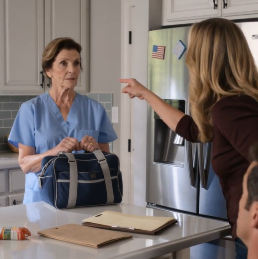
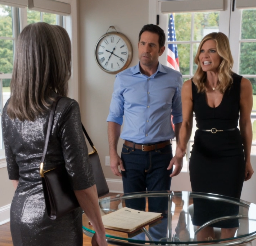
Certainly not someone with the resources to buy their entire building. The scene in Willowbrook’s lobby was everything Janet had described and worse. Meadow paced near the mailboxes wearing designer jeans that probably cost more than my monthly rent on Maple Street. Her blonde hair was perfectly styled despite the early hour, but her face was flushed with anger and something else. Panic. Blaine sat slumped in one of the lobby chairs, his pharmacy uniform wrinkled like he’d slept in it. When he saw me walk through the glass doors, he jumped up so quickly he nearly knocked over the small table beside him. Mom, thank God you’re here. We need to talk to you about this rent situation. Janet Russell stood behind the property management desk, her professional composure clearly strained. She nodded at me as I approached, then gestured toward the small conference room behind the lobby.
Perhaps we should discuss this privately, but Meadow stepped forward, her green eyes blazing with fury. No, we don’t need privacy. We need answers, and we need them right now. I looked at her calmly, noting the expensive handbag clutched in her manicured hands. The jewelry that caught the overhead lights. I’m not sure how I can help you with your housing situation, dear. Don’t you dare call me dear. Meadow’s voice cracked like a whip. You know exactly why we’re here. This rent increase is insane. $4,000 for this place. It’s highway robbery. Market rates can be challenging. I agreed mildly. Perhaps you should look for somewhere more affordable. Blaine stepped forward, his expression desperate. Mom, please. I know we had problems when you were living with us, but you’re still my mother. You can’t just stand there and pretend you don’t care what happens to us. Something cold settled in my chest. Care what happens to you?
The way you cared what happened to me when I was diagnosed with arthritis? That was different. Meadow snapped. We couldn’t handle your medical needs. We’re not trained caregivers, but you could handle spending $500 at Nordstrom last month. The words slipped out before I could stop them. Meadow’s face went white, then flushed red. How do you know about my shopping? Too late. I realized my mistake. A woman living on social security wouldn’t know about Meadows spending habits. Wouldn’t have access to credit reports or financial investigations. But Blaine was too focused on his own desperation to notice the slip. “Mom, please. We’ll lose our home. We don’t have anywhere else to go. You’ll find somewhere,” I said, turning toward the exit. “People are remarkably resourceful when they have to be.” “Wait.” Meadow’s voice stopped me at the door. There was something different in her tone. Sharper, more calculating.
“How did you know about my credit card purchases?” I turned back slowly. Janet Russell was watching the exchange with obvious confusion, probably wondering why three tenants were having what appeared to be a family argument in her lobby. I don’t know what you mean. Yes, you do. Meadow stepped closer, her eyes narrowing. You mentioned Nordstrom. You mentioned $500. That’s very specific information for someone who claims to be living on social security. Blaine looked between us, finally beginning to pick up on the undercurrent of tension. What’s she talking about, Mom? I could have deflected, could have claimed I’d heard the information from neighborhood gossip or made an educated guess about Meadow’s spending habits. But something in Meadow’s smug expression, the same look she’d worn when she was explaining why I needed to leave their house, made me tired of pretending.
“Janet,” I said to the property manager, “Could you give us a few minutes alone?” Janet glanced between the three of us, clearly uncomfortable with the family drama unfolding in her professional space. Of course, I’ll be in my office if you need anything. The moment she disappeared, Meadow crossed her arms and smiled triumphantly. I knew it. You’re not some helpless old woman scraping by on government checks, are you? Blaine stared at me with growing confusion. Mom, what’s she talking about? I walked slowly to the lobby’s seating area and sat down, my joints protesting after the morning’s tension. When I looked up at them, I felt strangely calm. “Your wife is talking about the fact that I own this building.” The silence that followed was so complete, I could hear the heating system cycling on in the basement. “What?” Blaine’s voice was barely above a whisper. “I bought Willowbrook Condominiums in December. I am your new landlord.
I am the person raising your rent to $4,000 a month. Meadow staggered backward as if I’d slapped her. That’s impossible. You’re broke. You live in that tiny apartment on Maple Street. You drive that old Honda. I live in that apartment because it’s what I can afford on my social security. I said quietly. Everything else comes from the $28 million my husband left me. The words hung in the air like smoke. Blaine sank into a chair, his face pale as paper. Meadow opened and closed her mouth several times before any sound came out. 28 million. Harold was very good with investments. He was also very private about our finances. We agreed to live modestly and let our money work for us rather than the other way around. But Blaine shook his head like he was trying to wake up from a dream. But you moved into that little apartment. You shopped at discount stores. You acted like like I was exactly what you all believed I was.
A burden with limited resources and no options. I met his eyes steadily. It seemed easier than explaining the truth. Meadow found her voice first, and when she did, it came out as a shriek. “You lying You let us throw you out when you could have bought your own house.” “You could have hired help. You could have.” I could have done many things, I interrupted. But I wanted to see what my own family would do when I needed them. I wanted to believe that love meant something more than convenience. We would have helped you if we’d known you had money. The admission hung between us like a confession. Meadow clapped her hand over her mouth, but it was too late. So, you would have helped me if I’d been rich, but not when you thought I was poor? I asked quietly. Blaine buried his face in his hands. Mom, I’m so sorry. We didn’t mean Yes, you did. I stood up, my movements careful but determined.
You meant every word you said when you thought I had nowhere else to go. You meant it when Meadow screamed that she didn’t want to take care of a sick old woman. You meant it when you asked me to leave so she could have a walk-in closet. But if we’d known, Blaine started, “If you’d known I was wealthy, you would have treated me differently. That tells me everything I need to know about who you really are.” Meadow’s panic was transforming into rage. You set us up. This whole thing was a trap. No, Meadow. This whole thing was a test, and you failed spectacularly. She lunged forward, her perfectly manicured nails reaching for my face. But Blaine caught her arm. Don’t touch me, I said sharply, taking a step back. You’ve already shown me who you are. Don’t make it worse. Worse? Meadow’s laugh was hysterical. How could it be worse? You’re destroying our lives over some stupid family drama. I’m not destroying anything.
I’m simply charging market rate for rent. If that destroys your life, perhaps you should examine your financial choices. I turned toward the exit, then paused. Oh, and Meadow, I know about the credit card debt. I know about the shopping sprees and the expensive vacations while you were months behind on rent. I know about the noise complaints and the lies you told the neighborhood about my mental state. Her face crumpled. How? Money buys a lot of things. Information is one of them. Blaine stood up shakily. Mom, please. What do you want from us? How do we fix this? I looked at my son, this man I’d raised alone after his father died. This person I’d worked two jobs to put through school who’d abandoned me the moment caring for me became inconvenient. “You can’t fix this, Blaine. Some things once broken can’t be repaired.” “But we’re family.” “No,” I said quietly. We’re landlord and tenant now.
You have two weeks to decide whether you’re staying at the new rent or moving out. Janet Russell will handle all future communications. I walked toward the door, each step echoing in the silent lobby. This isn’t over. Meadow screamed behind me. You can’t do this to us. I paused at the exit and looked back one final time. I’m not doing anything to you, Meadow. I’m finally doing something for me. The winter air hit my face as I stepped outside, crisp and clean. Behind me, I could hear Meadow sobbing and Blaine’s voice trying to calm her down. But for the first time in months, their crisis wasn’t mine to solve. I had given them everything they’d asked for. Distance, independence, freedom from the burden of caring for me. Now they were learning what that freedom actually cost.
3 weeks after the confrontation in Willowbrooks lobby, I sat in my small apartment on Maple Street, reviewing the final reports from Clearwater Property Management, Unit 4B had been vacated on January 31st, one day before their rent would have tripled. According to Janet Russell, Blaine and Meadow had packed hastily, leaving behind a damaged wall where something had been thrown hard enough to crack the drywall. Some habits, it seemed, died hard. The new tenants moving into 4B were a young couple named Sarah and David Chen, both nurses at the local hospital who’d been looking for months for an affordable place near their work. They’d toured the newly renovated unit with wide eyes, marveling at the updated appliances and fresh paint, happily agreeing to the $4,000 monthly rent. “It’s perfect,” Sarah had told Janet during their application process. “We’ve been living with roommates for 3 years just to save money.
Having our own place feels like a dream. Their gratitude was a stark contrast to the entitled fury Meadow had displayed. They sent thank you notes when maintenance requests were completed quickly. They kept the common areas clean and spoke politely to other residents. They were, in short, the kind of tenants who made property ownership satisfying rather than stressful. I closed the management reports and walked to my kitchen window, looking out at the February sky. My arthritis had worsened slightly over the winter as Dr. Martinez had warned it would, but the pain was manageable with medication and careful attention to my limitations. More importantly, the stress related flare-ups I’d experienced while living with Blaine and Meadow had virtually disappeared. My phone rang, interrupting my thoughts. The caller ID showed a number I didn’t recognize, but when I answered, the voice was painfully familiar. Mom, it’s Blaine.
I’d wondered when this call would come. It had been 3 weeks since they’d moved out of Willowbrook, and I knew their financial situation too well to believe they’d landed somewhere comfortable. Hello, Blaine. Mom, I need to talk to you. We’re We’re in trouble. I see. A long pause. We had to move in with Meadow’s sister in Phoenix. Her place is tiny, and we’re sleeping on an air mattress in her living room. Meadow’s having panic attacks and I can’t find work that pays enough for us to get our own place. I said nothing waiting. I know you’re angry with us. I know we handled things badly when you got diagnosed, but Mom, you’re all the family I have. I need you to help me understand how to fix this. There’s nothing to fix, Blaine. You made your choices. Now you’re living with the consequences. But I’m your son. His voice cracked with desperation. “Doesn’t that mean anything to you anymore?”
I closed my eyes, remembering the night he’d asked me to leave his house so Meadow could have her walk-in closet. “You’re my son, yes, but that didn’t mean anything to you when I needed help with my arthritis. That was different.” “No, it wasn’t. You decided I was inconvenient, so you discarded me. I’m simply returning the favor.” Silence stretched between us before he spoke again. His voice smaller now. What do you want from me, Mom? What would it take for you to forgive us? The question caught me off guard. I’d spent so many months focused on the mechanics of my plan, buying the building, raising the rent, forcing them to confront their own hypocrisy, that I hadn’t really considered what came after, what forgiveness might look like, or whether it was even possible. I want you to understand what you did to me, I said finally. Not just that you asked me to leave, but how you did it.
I want you to understand what it felt like to be called a burden by my own family. To have my daughter-in-law scream that she didn’t want to take care of a sick old woman. To watch you stand there and say nothing while she planned to turn my bedroom into her closet before I’d even finished packing. Mom, I want you to understand that you didn’t just ask me to move out. You threw me away. And then you lied about it to everyone we knew, making me out to be some kind of delusional, violent person who’d become impossible to live with. Blaine was crying now. I could hear it in his breathing. I’m sorry, God. Mom, I’m so sorry. I was scared about the money, about taking care of you, about what Meadow would do if I stood up to her. I was a coward. Yes, you were. Can you forgive me, please? I know I don’t deserve it, but can you find a way to forgive me?
I looked around my small apartment, my sanctuary, my proof that I could survive without them, my evidence that their rejection hadn’t destroyed me. The morning light streamed through the windows, illuminating the life I’d built from the ashes of their abandonment. I don’t know, I said honestly. I don’t know if I can forgive you, and I don’t know if I want to. What about Meadow? The question almost made me laugh. Meadow made her feelings about me very clear. She called me a burden and threw me out of my home. As far as I’m concerned, we have nothing to say to each other. She wants to apologize. No, she doesn’t. She wants my money. There’s a difference. Another long silence. So, what happens now? I considered the question carefully. What did happen now? I’d gotten my revenge, proved my point, shown them the consequences of their cruelty. But revenge, I was discovering, was like cotton candy.
Sweet for a moment, then dissolving into nothing, leaving you slightly sick and still empty. Now you figure out how to build a life without me. I said, “The same way I figured out how to build one without you.” “Mom, please, Blaine, I need you to understand something. When you asked me to leave, you didn’t just reject me as a burden. You rejected me as a person. You decided my worth was entirely dependent on my usefulness to you. That’s not love. That’s not family. That’s exploitation with prettier words. I took a deep breath before continuing. I spent 3 months letting you all believe I was helpless and broke because I wanted to see who you really were when you thought I had nothing to offer. And what I saw was that you only loved me when it was convenient. That’s not true. It is true.
And Blaine, the saddest part is that if you’d simply asked for help managing my care instead of throwing me away, I would have paid for whatever assistance we needed. I would have hired nurses, modified the house, done whatever it took to make the situation work for everyone. The sharp intake of breath on his end told me he understood the full magnitude of what they’d lost. Instead, you chose the crulest possible solution because it required nothing from you except the willingness to hurt me. So now you get to live with that choice. Is there anything I can do to change your mind? I stood up and walked to my window, looking out at the ordinary neighborhood where I’d learn to live as myself rather than as someone’s convenient or inconvenient family member. Learn to love people when they need you, not just when they can help you. I said, become the kind of person who doesn’t abandon others when caring becomes difficult.
Maybe start with your wife. She’s going to need a lot of support getting through this crisis you’re both facing. And then and then nothing. You don’t get to earn your way back into my good graces, Blaine. This isn’t a test with a passing grade. This is just life. And sometimes the consequences of our choices are permanent. After I hung up, I made myself a cup of tea and sat in my reading chair with the book I’d been working through, a biography of Eleanor Roosevelt that I’d never had time to read when I was busy managing other people’s needs and crises. The afternoon stretched ahead of me, quiet and mine. No one would call demanding help with bills they couldn’t afford or problems they’d created. No one would make snide comments about my limitations or treat my medical needs like personal inconveniences. No one would lie about me to justify their own cruelty. At 4:00, my doorbell rang. I looked through the peepphole and saw Mrs. Rodriguez from next door holding a covered dish. Opal, I made too much rice and beans again. Would you like some? Mrs. Rodriguez was 73, a widow like myself with arthritis that was worse than mine and a smile that could light up a room. We’d become friends gradually, bonding over our shared experiences of living alone and learning to ask for help when we needed it. That’s very kind, Elena. Come in. We sat in my small living room sharing her delicious rice and beans and talking about ordinary things, the weather, the new grocery store that had opened down the street, the book club Elena wanted us to join at the community center. You seem different lately, Elena observed as she prepared to leave. More settled, more peaceful, I walked her to the door, thinking about her words. I think I am. Good. Peace is hard to find, especially when you’re our age. When you find it, you have to protect it.
After she left, I returned to my reading chair and Roosevelt’s biography. There was a passage I’d marked the day before, something Elellanar had said about the price of self-respect. No one can make you feel inferior without your consent. I’d given my consent for years, believing that family obligation meant accepting whatever treatment they chose to give me. I’d consented to being seen as a burden, to having my needs treated as inconveniences, to being discarded when loving me became difficult, but consent could be withdrawn. That evening, I called Marcus Steinberg to discuss my next financial moves. The Willowbrook investment was performing better than expected, and I had decisions to make about other properties and long-term planning. You know, Opel, Marcus said as we finished our business. Harold would be proud of what you’ve done.
Not the revenge part necessarily, but the way you’ve taken control of your own life, he always said you were stronger than you knew. As I prepared for bed that night in my small, perfectly quiet apartment, I thought about strength, about the difference between being strong enough to endure mistreatment and being strong enough to refuse it, about the courage required to stop loving people who only loved you conditionally. My arthritis would continue to progress. There would be more difficult days ahead, more limitations to accept, more help I’d eventually need. But those challenges would be faced on my terms with people I chose to trust in circumstances I controlled. I’d learned something valuable in the ashes of my old life. Sometimes the people who claim they can’t help you are really saying they won’t help you.
And sometimes the kindest thing you can do for everyone involved is to believe them the first time they show you who they really are. Blaine and Meadow were probably lying on their air mattress in Phoenix right now, still believing this was all some terrible misunderstanding that could be resolved with the right combination of apologies and explanations. They still didn’t understand that some bridges, once burned, can’t be rebuilt. But I understood. And for the first time in years, that knowledge didn’t make me sad. It made me free. Now I’m curious about you who listened to my story. What would you do if you were in my place? Have you ever been through something similar? Comment below. And meanwhile, I’m leaving on the final screen two other stories that are channel favorites, and they will definitely surprise you. Thank you for watching until here.